
Baroque
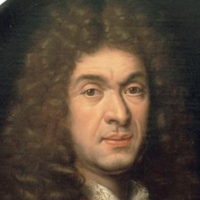
Jean-Baptiste Lully
1632 – 1687
À propos de ce compositeur
“Jean-Baptiste Lully (born Giovanni Battista Lulli; 28 or 29 November [O.S. 18 or 19 November] 1632 – 22 March 1687) was an Italian-French composer, dancer and instrumentalist, who is considered a master of the French Baroque music style. Best known for his operas, he spent most of his life working in the court of Louis XIV and became a French subject in 1661. He was a close friend of the playwright Molière, with whom he collaborated on numerous comédie-ballets, including L'Amour médecin, George Dandin ou le Mari confondu, Monsieur de Pourceaugnac, Psyché and his best known work, Le Bourgeois gentilhomme.”
Source: Wikipedia · CC BY-SA 4.0
Stage
Acis et Galatée, LWV73
Alceste, ou le triomphe d’Alcide, LWV50
Alcidiane, LWV9
Ballet
Amadis, LWV63
Armide, LWV71
Atys, LW53
Bellérophon, LWV57
Cadmus et Hermione, LWV49
Opera
Divertissement
Flore, LWV40
Ballet
Isis, LWV54
Opera
L' Amour médecin, LWV29
La raillerie, LWV11
Ballet
Le carnival, mascarade royale, LWV36
Ballet
Le Grand Divertissement Royal de Versailles, LWV38
Le mariage forcé, LWV20
Les amours déguisés, LWV21
Ballet
Le Sicilen, ou L'Amour peintre, LWV34
Les noces de village, LWV19
Ballet
Les plaisirs, LWV2
Ballet
Les temps, LWV1
Ballet
Le triomphe de l’amour, LWV59
Ballet
Monsieur de Pourceaugnac, LWV41
Persée, LWV60
Opera
Phaëton, LWV61
Opera
Proserpine, LWV58
Opera
Psyché, LWV45
Psyché, LWV56
Opera
Roland, LWV65
Opera
Thésée, LWV51
Xerxès, LWV12
Amour malade, LWV8
Ballet
Le bourgeois gentilhomme, LWV43
Keyboard
Vocal
Benedictus, for double chorus and orchestra, LWV64/2
Dies irae, for double chorus and orchestra, LWV64/1
Exaudiat Te Dominus
Miserere, for double chorus and orchestra, LWV25
Natus in Judæa Deus, for double chorus and orchestra, LWV77/17
O dulcissime Domine, for 3 voices and continuo, LWV77/9
O lachrymae, for double chorus and orchestra, LWV26
Plaude lætare, for double chorus and orchestra, LWV37
Quare fremuerunt, for double chorus and orchestra, LWV67
Scoca pur tutti, for voice, violin and continuo, LWV 76/3
Te Deum, for double chorus and orchestra, LWV55
Venerabilis barba capucinorum, LWV76/xxvi
Laudate pueri Dominum, for 3 voices and continuo, LWV77/7
De profundis, for double chorus and orchestra, LWV62
Tout ce que j'attaque se rend
Chamber
Jean-Baptiste Lully per stad